Canada's housing crisis is not only a shortage of units. It is a failure of national capacity.
The door into a stable life has narrowed. Rent punishes movement. Ownership recedes. Families crowd into homes that no longer fit. At the same time, mill towns lose work, forests burn or decay, public builders struggle to deliver, and Canadian wood too often leaves as low-value fibre while the country imports the components of its own future.
housing / forests / factories / finance / renewal
The proposition is simple
Build homes from Canadian forests.
Not as nostalgia. Not as a subsidy dressed up as industrial policy. As a system.
Restored forests. Engineered wood. Regional factories. Public demand. Indigenous ownership and jurisdiction. Patient capital. Skilled trades. Durable buildings. A national balance sheet that leaves more standing than it took.
from fibre to shelter / from shelter to capacity
The work begins with shelter because the wound is immediate.
People need places to live: warm, stable, affordable, repairable homes in communities that can hold them.
But if Canada learns to turn forest renewal into housing, the answer becomes larger than housing.
The same machine touches rural decline, weak productivity, brittle supply chains, construction labour, public procurement, carbon, wildfire risk, pension capital, regional dignity, and the country's fading belief that it can still make real things together.
the house is only the beginning
This is the story of how a forest becomes a house, and how that house becomes the beginning of national renewal.
Part I
Crisis At Home
Question
What does the housing crisis feel like before it becomes a policy chart?
Thesis
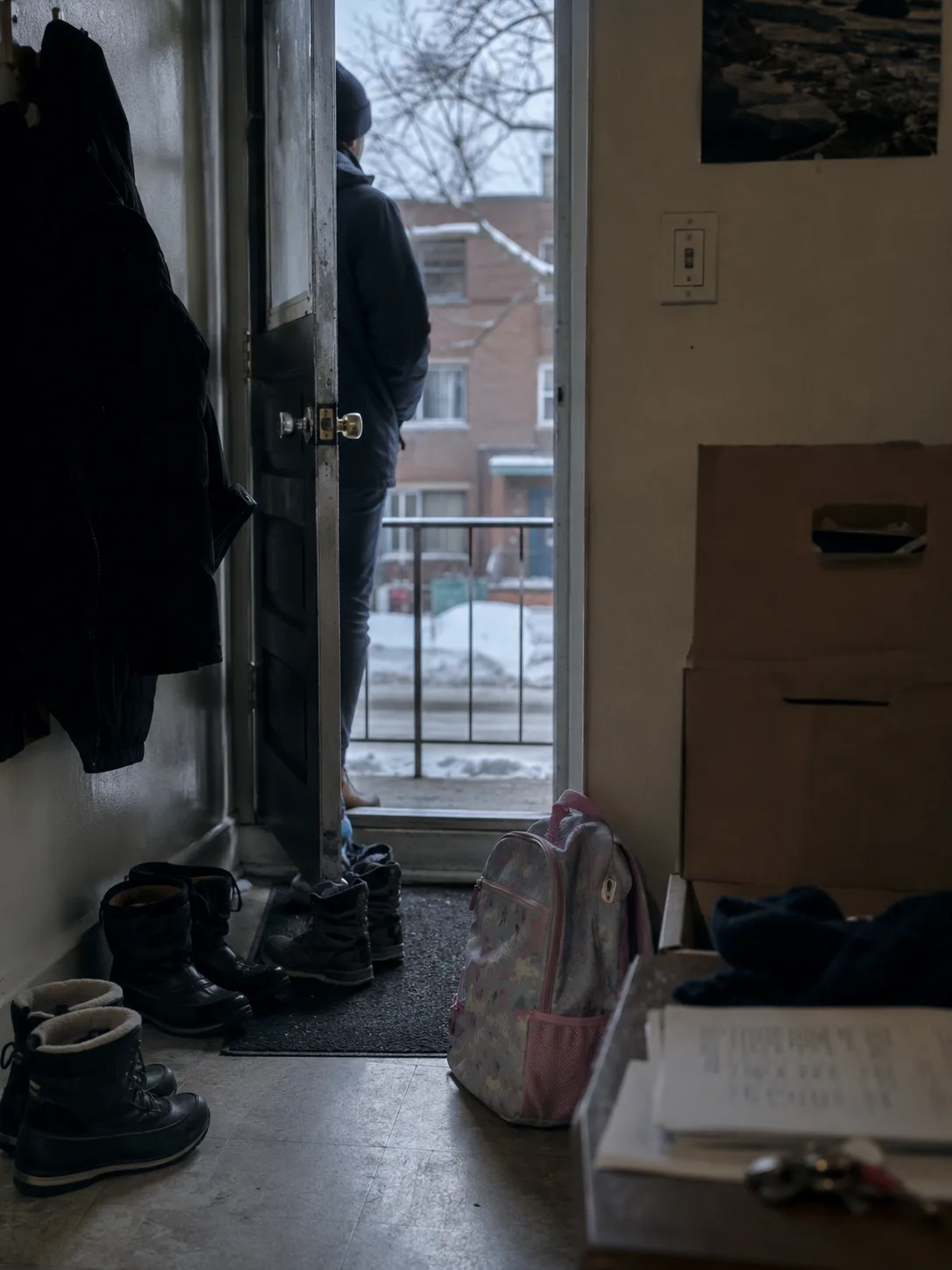
Canada's housing crisis is visible first as a blocked door into ordinary life, where secure adulthood, family formation, mobility, and dignity all become harder to reach.
Overview
The Visible Wound
Map
Main Points
Housing stress is lived before it is measured.
Rent, prices, crowding, and poor fit narrow the choices available to households.
The crisis changes work, family, safety, health, and the ability to stay rooted in place.
The problem reaches small markets and ordinary households, not only the largest cities.
Housing opens the larger renewal story because it exposes a national capacity failure.
Reader Path
Short Overview
The housing crisis begins at the scale of daily life. It is the rent increase that makes a move impossible, the down payment that recedes faster than wages, the extra adult in a childhood bedroom, and the family decision delayed because there is nowhere stable to land.
That lived pressure matters because housing is the platform beneath almost everything else. People form households, change jobs, leave danger, care for elders, raise children, and join civic life from a secure address. When the door to that address closes, the damage spreads far beyond real estate.
This is the entry point into forest-to-housing renewal. Canada does not only need more units; it needs the productive machinery that can turn land, labour, forest materials, finance, public rules, and industrial skill into secure places to live.